15M Midweek Jackpot Prediction Guide
March 23, 2026World Star Betting Lesotho A Comprehensive Overview
March 23, 2026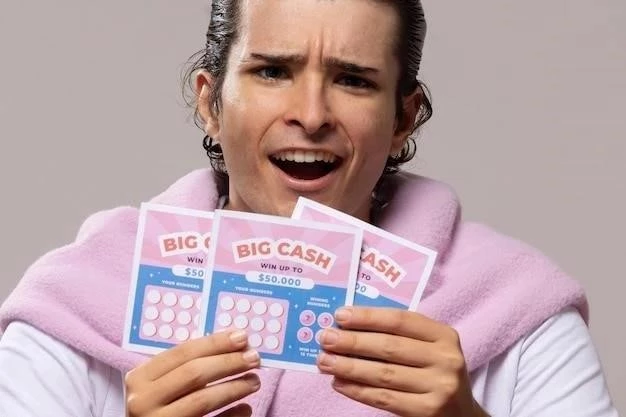
Lottery scratch-off tickets, often simply called “scratchers,” represent one of the most popular forms of instant-win gaming globally. These deceptively simple paper tickets offer immediate gratification and the tantalizing possibility of winning prizes ranging from a few dollars to life-changing sums, all revealed with the satisfying scrape of a coin or fingernail. Their widespread availability and low entry cost make them an accessible and exciting pastime for millions.
How They Work
The fundamental principle of a scratch-off ticket is straightforward. Each ticket features a play area covered by an opaque, scratchable latex coating. Beneath this coating lie symbols, numbers, or other game elements that determine if a prize has been won. Players purchase a ticket, scratch off the designated areas, and instantly discover their fate. Winning combinations are typically outlined in the game’s rules printed on the back of the ticket.
- Purchase a ticket from an authorized retailer.
- Locate the scratchable play areas.
- Use a coin or similar object to scratch off the coating.
- Match symbols, numbers, or fulfill game requirements as specified.
- If a winning combination is revealed, claim your prize according to the lottery’s instructions.
Types of Scratch-Offs
The world of scratch-offs is incredibly diverse, designed to appeal to a broad spectrum of players.
Price Tiers:
Tickets are generally categorized by their price point, which often correlates with the potential top prize and overall odds.
- Low-Cost Tickets ($1-$2): These offer smaller top prizes but have more frequent, albeit smaller, wins. They are good for quick fun.
- Medium-Cost Tickets ($3-$5): A balance between cost and potential payout, often featuring multiple ways to win on one ticket.
- High-Cost Tickets ($10-$50+): These tickets typically boast the largest grand prizes and often have better overall odds of winning any prize, though the individual wins might still be small relative to the ticket cost.
Game Styles:
Beyond price, the mechanics of play vary widely.
- Match 3: The most common style, where you need to reveal three identical prize amounts or symbols to win that amount.
- Symbol Match: Match a specific “winning symbol” to any of your revealed symbols.
- Bonus Games: Smaller, ancillary games on the same ticket offering additional chances to win.
- Crossword/Bingo: More complex games requiring players to reveal letters or numbers to complete words or lines, often with higher payouts but longer play times.
- Key Number Match: Match one of your numbers to a “winning number.”
Themes:
Scratch-offs embrace a vast array of themes, keeping the experience fresh and engaging for players.
- Seasonal: Holiday-themed tickets around Christmas, Valentine’s Day, Halloween, or other festive periods.
- Pop Culture: Tie-ins with popular movies, TV shows, sports teams, music artists, or even board games.
- Classic: Generic themes like “Cash,” “Gold Rush,” “Lucky 7s,” or “Money Multiplier” that appeal broadly.
Odds and Payouts
Understanding the odds is crucial for any scratch-off player. Each game has a set number of tickets produced, a specific number of winning tickets, and a defined prize structure. These details are typically available on the state lottery’s official website or at the point of purchase.
- Overall Odds: This refers to the chance of winning any prize, no matter how small (e.g., a free ticket or a few dollars). It’s usually expressed as “1 in X,” where a lower X means better odds of winning something.
- Odds of Winning Top Prize: This is significantly higher (e.g., 1 in a million, 1 in 5 million, or even more) and reflects the slim chance of hitting the jackpot. These odds are for a single ticket.
- Prize Payout Percentage: Lotteries aim to return a certain percentage of sales back to players as prizes, typically ranging from 60% to 80%. This is an aggregate figure across the entire game, not a guarantee for individual tickets.
It’s vital to remember that odds are fixed for the entire print run of tickets. Your individual chance of winning does not improve by buying more tickets, only your number of chances increases. Each ticket is an independent event.
Strategy and Tips (While Acknowledging Randomness)
While scratch-offs are games of pure chance, some players adopt “strategies” that can enhance their enjoyment or potentially their chances of finding a winning ticket within a batch, though no strategy guarantees a win due to the inherent randomness.
- Check Remaining Prizes: Many lottery websites list the number of top prizes (and often other major prizes) that are still unclaimed for each game. If all the top prizes for a particular game have been claimed, it might be wise to choose a different game with more potential.
- Avoid Games with Few Remaining Tickets: If a game is nearing the end of its run and most tickets have been sold, the chances of finding significant prizes can decrease, especially if big prizes have already been won and claimed.
- Buy from a Fresh Roll: Some players believe buying tickets consecutively from a newly opened roll might increase the chance of getting a winner, assuming wins are distributed throughout rolls. This is largely anecdotal and not supported by official lottery mechanics, as distribution varies.
- Set a Budget: The most important “strategy” is responsible gaming. Decide how much you’re willing to spend on scratch-offs and strictly adhere to that limit. Never spend money you can’t afford to lose.
- Play for Fun: View scratch-offs primarily as a form of entertainment. The thrill of the reveal and the momentary hope of winning is often the main draw, regardless of the monetary outcome.
The Psychology of Scratch-Offs
The enduring popularity of scratch-offs is deeply rooted in human psychology, tapping into several cognitive biases and desires.
- Instant Gratification: Unlike traditional lottery draws that require waiting days or weeks, scratch-offs provide an immediate outcome, satisfying our desire for quick results and feedback.
- Near Misses: Tickets that reveal tantalizingly close combinations (e.g., two matching symbols but needing three, or one number off) can create a powerful “almost won” sensation, which research suggests is as stimulating as a win, encouraging further play.
- Hope and Fantasy: The low cost of a ticket allows players to indulge in daydreams of financial freedom, paying off debts, or fulfilling aspirations, however improbable the actual odds.
- Simple Engagement: The tactile act of scratching, the ritual of revealing the hidden symbols, is itself engaging and builds anticipation, making the experience enjoyable regardless of the monetary outcome.
- Accessibility: Available almost everywhere, from convenience stores to supermarkets, scratch-offs are an easy impulse purchase.
Responsible Gaming
While scratch-offs can be a fun form of entertainment, it’s crucial to approach them responsibly. Gambling, including playing scratch-offs, carries inherent risks, and it can become addictive for some individuals, leading to significant personal and financial distress.
- Set Strict Limits: Before engaging, decide on a firm budget for how much money you will spend and a time limit for how long you will play. Stick to these limits without exception.
- Never Chase Losses: If you lose money, do not try to win it back by buying more tickets. This is a common and dangerous trap that can quickly escalate gambling problems.
- Don’t View It as an Investment: Scratch-offs are a form of entertainment with a negative expected return, not a reliable way to make money or solve financial problems. The house always has an edge.
- Balance with Other Activities: Ensure gambling does not become your primary source of entertainment or escape. Maintain a healthy balance with other hobbies, social activities, and responsibilities.
- Seek Help If Needed: If you find yourself unable to control your spending, are experiencing financial distress due to gambling, or feel overwhelmed by the urge to play, it is essential to seek professional help. Resources like the National Council on Problem Gambling (NCPG) or local support groups are available and can provide confidential assistance.
History and Evolution
The concept of instant lottery tickets emerged in the 1970s, revolutionizing the lottery industry. The very first scratch-off ticket was introduced in 1974 by the Massachusetts Lottery, a pioneering effort developed in collaboration with Scientific Games Corporation. Initially, these tickets had simpler designs and fewer game variations, often involving basic number or symbol matching.
Over the decades, technological advancements in printing, security features, and game design have dramatically transformed scratch-offs. Modern tickets feature sophisticated graphics, diverse game mechanics (like crossword puzzles, bingo, and bonus games), and enhanced anti-counterfeiting measures. This continuous innovation, coupled with widespread distribution, has made scratch-offs a multi-billion dollar industry globally, constantly adapting with new themes and play styles to maintain player interest.
Lottery scratch-offs offer an accessible and exciting avenue for instant entertainment and the thrilling possibility of a win. Their diverse range of prices, themes, and game styles ensures there’s something for nearly every casual player. While the allure of a big prize is undeniable and part of their appeal, it’s paramount to engage with scratch-offs as a form of recreation, always keeping responsible gaming practices at the forefront. Enjoy the scrape, embrace the anticipation, and remember that for every jackpot winner, countless others play for the sheer fun and momentary escape the game provides. Play smart, play safe, and may your scratches be lucky!
